Sol Garre
teacher, researcher, director, actor
background
When I began my career as an acting teacher as a 25 year-old, I had already studied in a theatre conservatory in Asturias and in a program created for young professionals at Teatro la Abadía in Madrid. When I moved to Santander to teach, I felt that I could only share what I had already learned. Still I wanted to find a way to teach acting that approached the work through the actor’s physicality.
While training at La Abadía, I realized that the imagination, whether it was through the LeCoq method or Michael Chekhov's technique, could also help me understand what I was learning about Stanislavsky's active analysis. Before, I would often get stuck trying to analyze a scene through my personal and limited life experience. Working with images helped me go beyond the intellectualization that was tied to an approach based on psychology. I discovered, that through the body and movement, my imagination was able to play more freely. This led me to an understanding of a psychophysical approach to acting.
This first experience teaching acting in Santander helped me establish the foundations for my own pedagogy of acting and I framed my interests in developing the potential for transformation and creativity that every human being can develop in the arts as well as in education and society.
While training at La Abadía, I realized that the imagination, whether it was through the LeCoq method or Michael Chekhov's technique, could also help me understand what I was learning about Stanislavsky's active analysis. Before, I would often get stuck trying to analyze a scene through my personal and limited life experience. Working with images helped me go beyond the intellectualization that was tied to an approach based on psychology. I discovered, that through the body and movement, my imagination was able to play more freely. This led me to an understanding of a psychophysical approach to acting.
This first experience teaching acting in Santander helped me establish the foundations for my own pedagogy of acting and I framed my interests in developing the potential for transformation and creativity that every human being can develop in the arts as well as in education and society.
When I arrived in the Real Escuela Superior de Arte Dramático de Madrid in 2001, Interpretación Gestual (Acting in Physical Theatre) program had just recently been established as a degree path. At that time, there were already many problematic issues around the theory and practice of physical theatre within both professional and educational contexts. Those issues led me to pursue a Ph.D. with a research focus on the implementation of a new teaching program for actor training at the RESAD.
Link to my Ph.D. thesis "Shifting paradigms of practice in Interpretación Gestual: Integrating bodymind training with Michael Chekhov's acting techniques within the context of training professional actors in Spain."
A project with students, Gestos para nada (2013), was a turning point in my career, because I realized both the advantages and limitations of enhancing the creativity and autonomy of the actor within traditional structures and discourses of theatre. I started to question how far the director's and playwright's perspectives not only influence acting but also how they intervene in the learning process of an actor.
Videos of Gestos para nada
rehearsal
performance
Link to bilingual catalogue for the performance of Gestos para nada (RESAD 2013).
Catalogue Excerpt of a lecture and workshop demonstration on "Creativity and the Imagination. Michael Chekhov's Techniques in Theatre Training" (2018) at the International Conference of Applied Theatre in Contemporary Education (University of Theatre and Film "I.L. Caragiale," Bucharest, Romania). In this video, middle school students work on spatial composition and atmospheres.
teaching
individual projects
When working with 2nd-year students on Individual Projects, we first train in Phillip Zarrilli's psychophysical training and approach to acting. I coax students to develop their own own relationship to acting starting from a non-psychological paradigm. I help them to open up their awareness to certain principles of performance, which they develop further when the work evolves into the imagination.
Excerpt of the psychophysical training designed by Phillip Zarrilli and taught during an intensive workshop theory-and-practice based in ESAD Valencia (Official Drama School), Spain. The participants were teachers and students from the school.
The Individual Projects are devised by students based on their own interests and creative impulses. Students also work on each other's projects as actors, technicians, or stage managers. All the pieces are then put together in a final running order and are presented to the other students, teachers, family and friends in a low-tech production.
A final and essential step is their own written reflections about their process and creative practice that is related to the training and to other theories and practices of acting. They learn about the important role that reflection and feedback play in any creative project. It is a responsibility to themselves and to their colleagues that needs its own time. They discover that what they say, why they say it, how they say it, and from which perspective they speak are already important insights into their own work.
I coach the students through their ideas and aesthetic vision, facilitating the intersection of the psychophysical principles they are training in class. The students' commitment to how they communicate their ideas to an audience enables the other subjects in the curriculum to find their place and shape the project (directing, playwriting, dramaturgy, and design). As they come into play, I illustrate the approaches for each area, what their responsibilities and specific tasks are.
A final and essential step is their own written reflections about their process and creative practice that is related to the training and to other theories and practices of acting. They learn about the important role that reflection and feedback play in any creative project. It is a responsibility to themselves and to their colleagues that needs its own time. They discover that what they say, why they say it, how they say it, and from which perspective they speak are already important insights into their own work.
I coach the students through their ideas and aesthetic vision, facilitating the intersection of the psychophysical principles they are training in class. The students' commitment to how they communicate their ideas to an audience enables the other subjects in the curriculum to find their place and shape the project (directing, playwriting, dramaturgy, and design). As they come into play, I illustrate the approaches for each area, what their responsibilities and specific tasks are.
Video of Individual Projects (RESAD 2021)
We only understand the purpose of technique when our involvement in creativity is genuine personal and committed. Developing and performing one's own ideas and the ways for understanding them is a first step in engaging with the ideas of others and the ways of expressing them. The work of the director, the designer, the character, the playwright are considered as individual projects in and of themselves. A first-hand understanding of the various creative processes serves as a basis for our work on text and play analysis in the next project: Ensemble Work.
ensemble work
This second course explores Michael Chekhov's techniques and builds upon the psychophysical and creative understanding achieved in the first course. We work on characters, plays, devised theatre, text-based theatre, scene analysis, scenic movement, and voice work as we build the module towards a final production.
Video of Psicosis 4:48. This performance opened in the studio in January 2020. After our work on psychophysical training and individual projects the year before, the students asked me to explore Sarah Kane's text with them through the techniques of Michael Chekhov and their own imaginations. It also served to question characters and explore different relationships between the creativity in acting and the notion of character.
Students deliver their essays after the public presentation in one area that caught their attention as actors during the process. They are encouraged to reflect and articulate the questions that they ask themselves as actors and creative artists. This essential step helps students become skillful as reflective practitioners and performers.
Estíbaliz López, 3rd year student at RESAD, working on a poem form Alejandra Pizarnik. This is the result of our work during the pandemic of adapting the techniques of the imagination, voice, and gesture in this zoom presentation. The performance was selected for the online festival Mujeres Parlantes, March 2021.
research
alendar
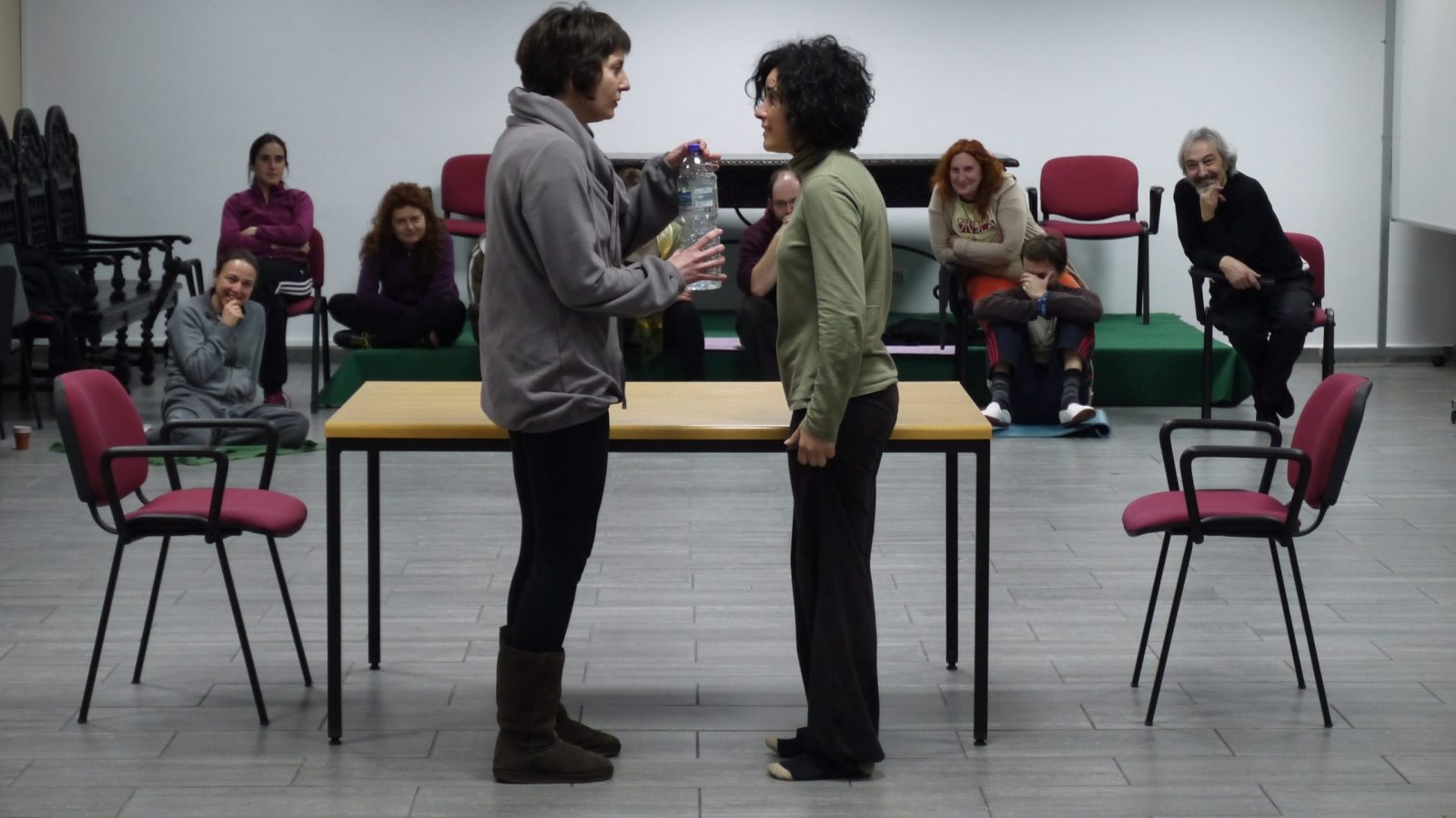
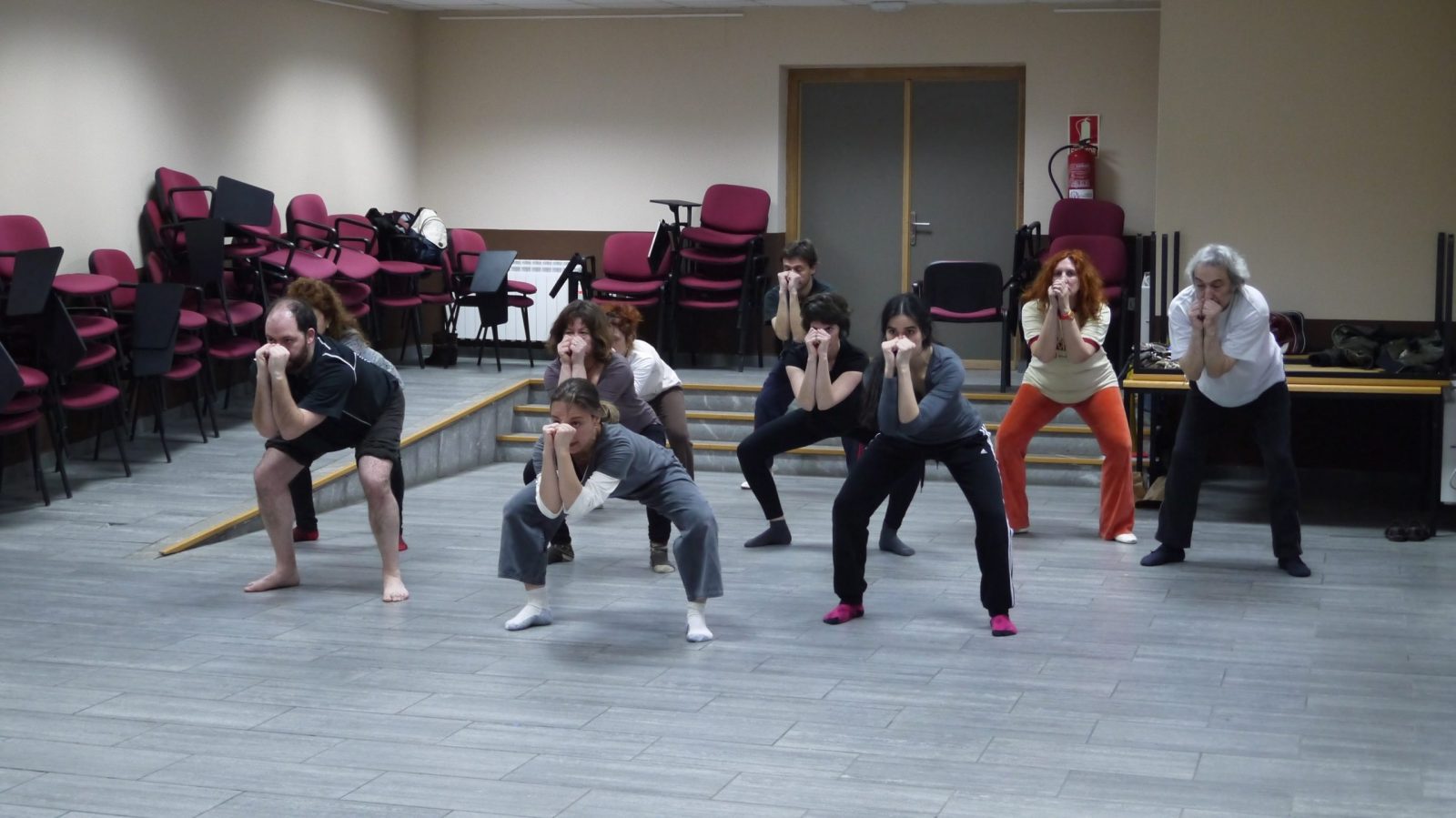
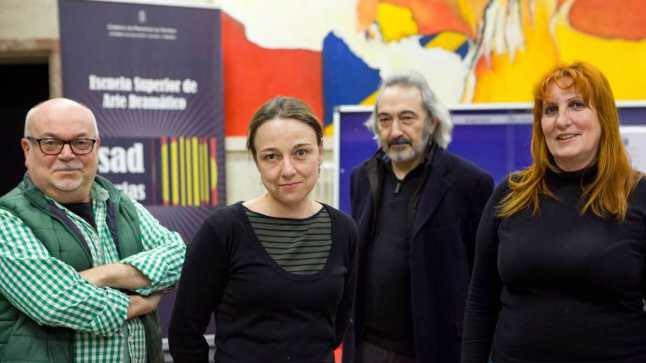
Alendar, was a training/creative research project with professional actors in Asturias (Spain) produced and organized by the Unión de Actores de Asturias (actors' regional union) with Asociación Vértico (2014-2015). Open demonstration at the Escuela Superior de Arte Dramático de Asturias (ESAD) in Gijón, at La Laboral Ciudad de La Cultura. March 5, 2015
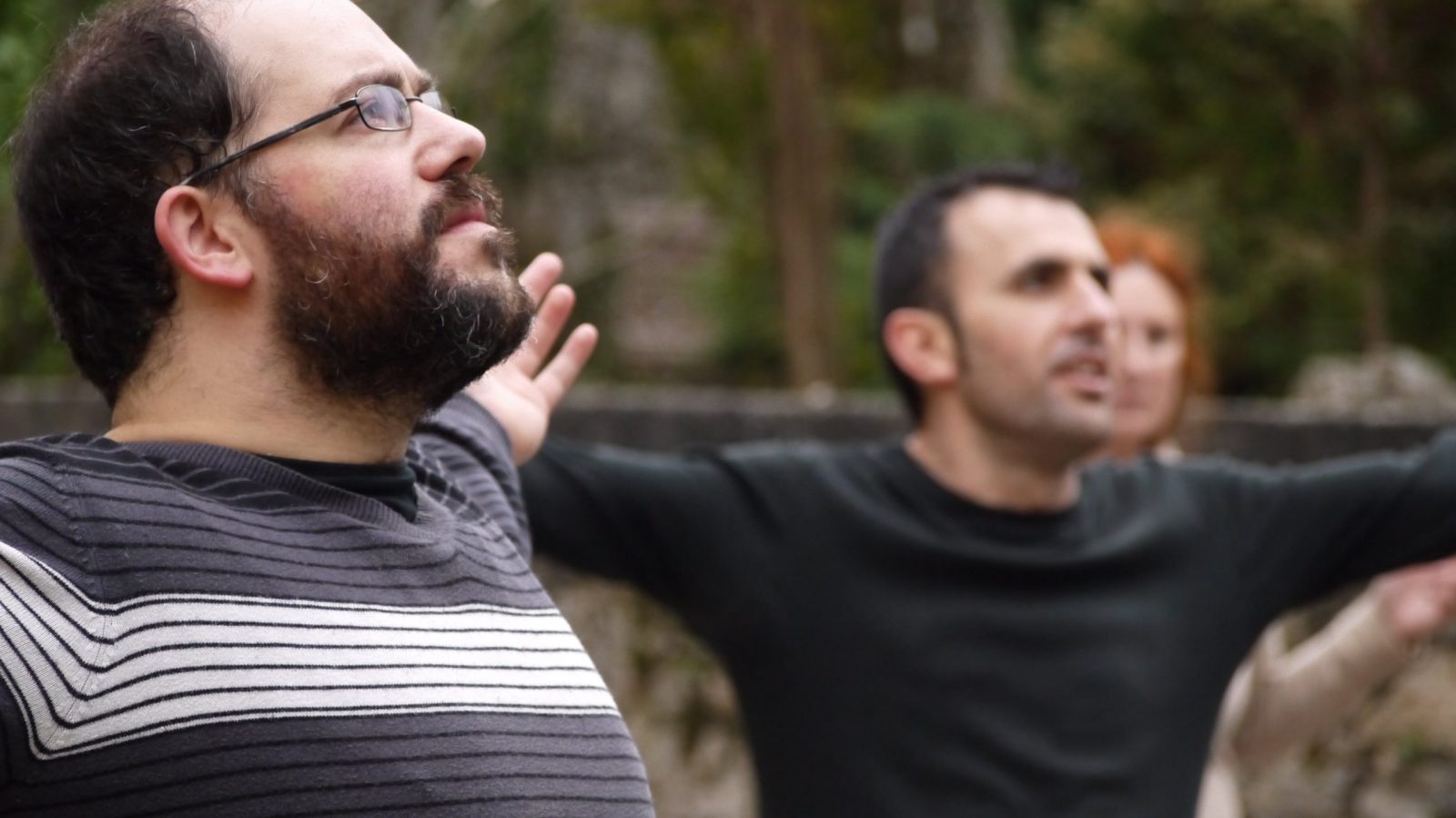
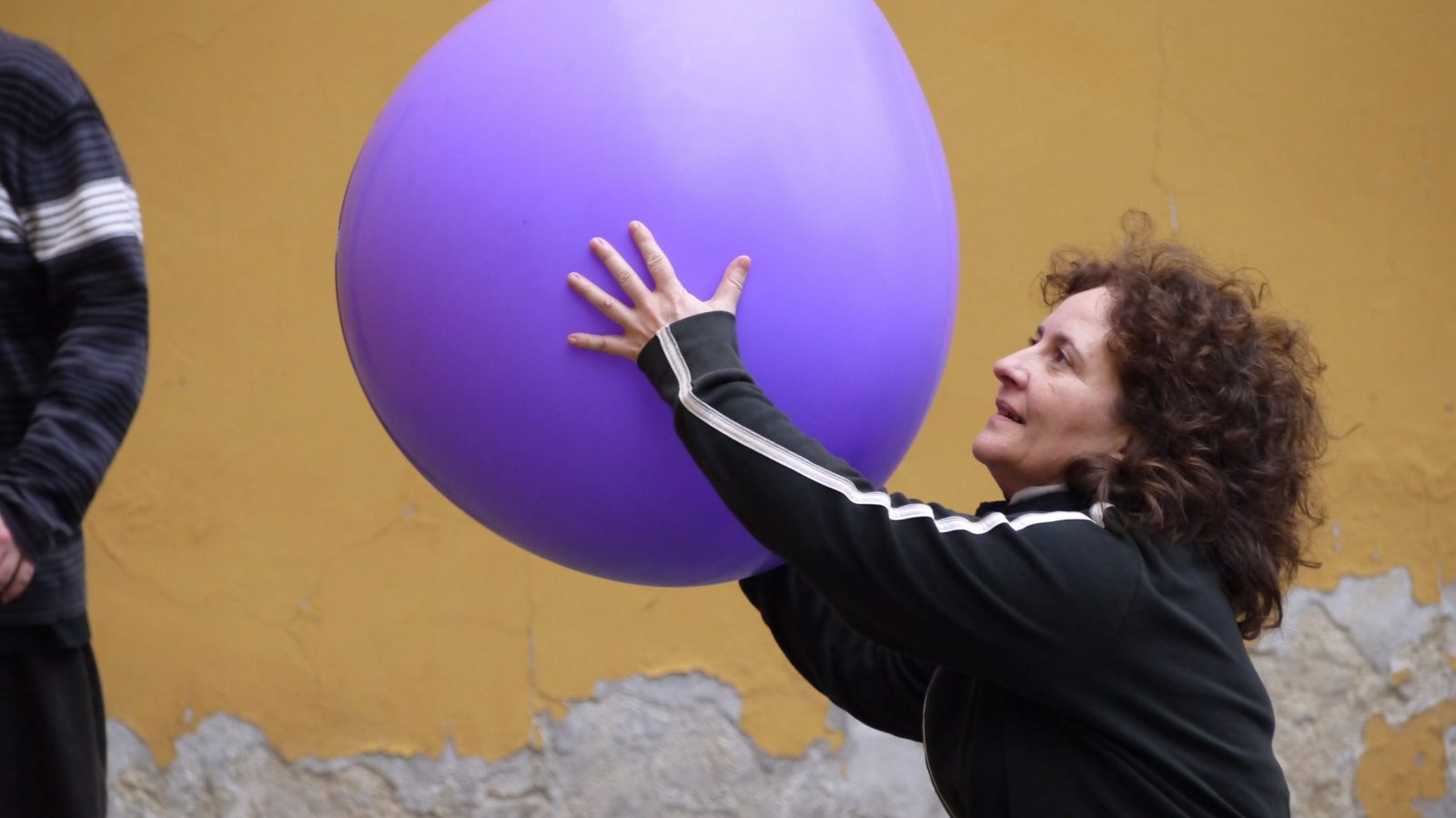
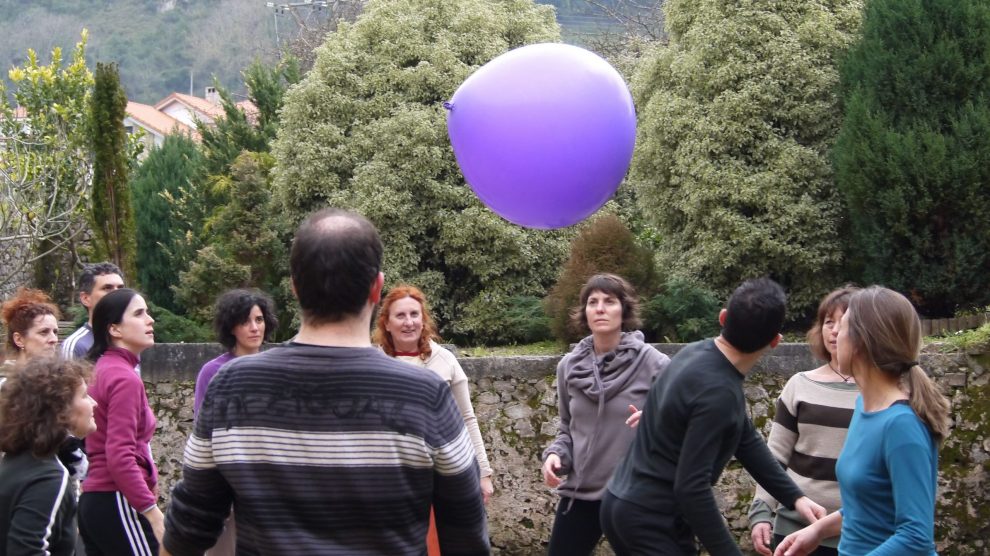
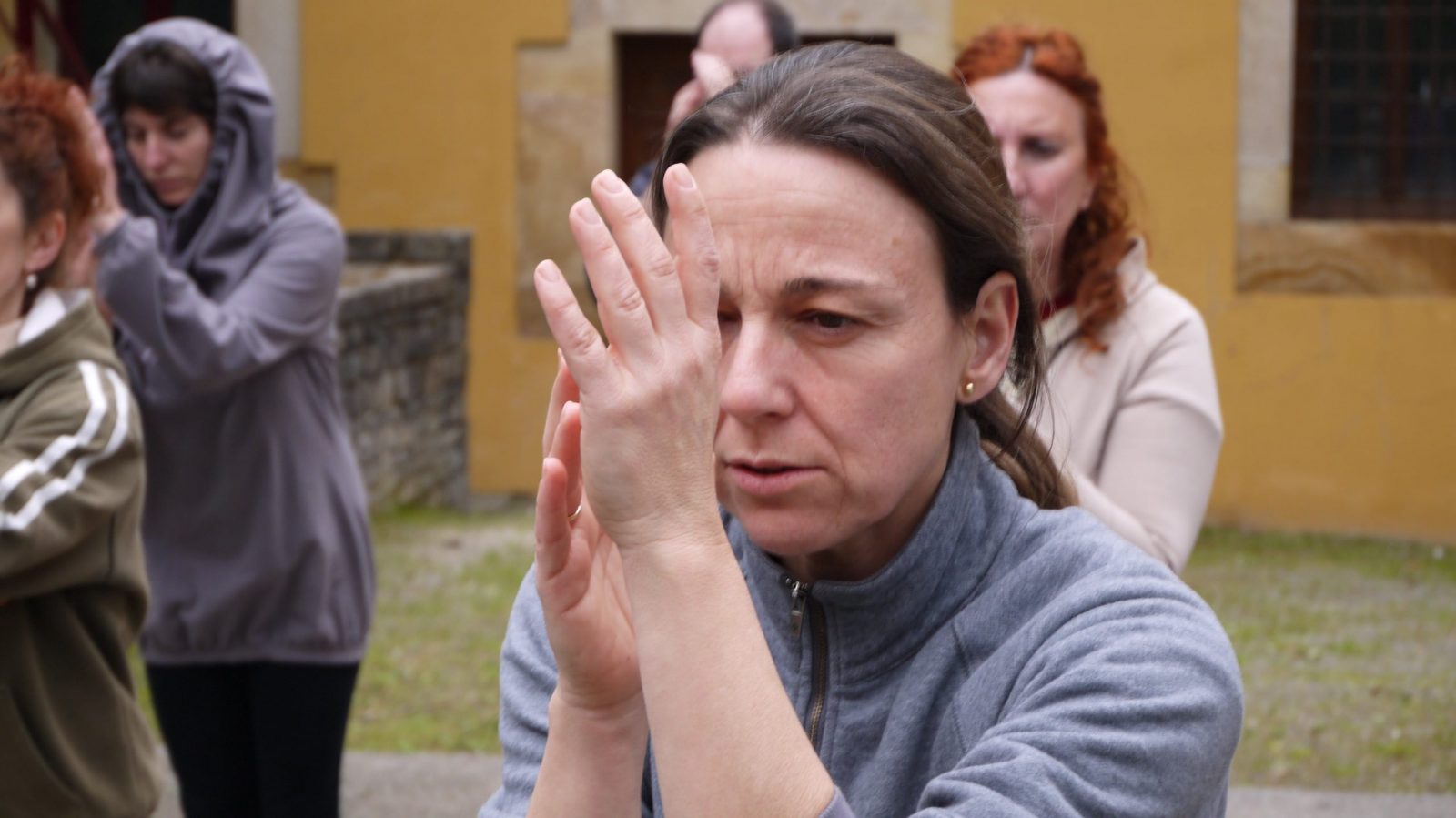
Un cierto sentido de la realidad
Un cierto sentido de la realidad (UCSR, 2016), "A certain sense of reality" is a practice-as-research project that began with 14 professional actors and 4 dancers inquiring into their active perception as performers and artists. Beyond the 72 contact hours of practice, this project questioned our perceptions of reality by examining the possibility of constructing reality from a somatic view of performance. This initial phase of the research was possible thanks to the support of Asociación Vértico, Espacio en Blanco and the artists involved.
How can we become aware of our perception as an action or an active process, after all? How can we learn to take sides in our perception and not be just mere witnesses of it? UCSR is a research project on perception, acting, and the interdependence of the two as they manifest in the performer's presence. It questions our ability as human beings to build realities and attitudes that link us to others by searching for different ways to reach out and feel empathy.
How can we become aware of our perception as an action or an active process, after all? How can we learn to take sides in our perception and not be just mere witnesses of it? UCSR is a research project on perception, acting, and the interdependence of the two as they manifest in the performer's presence. It questions our ability as human beings to build realities and attitudes that link us to others by searching for different ways to reach out and feel empathy.
video of un cierto sentido de la realidad
Mujer frente al espejo
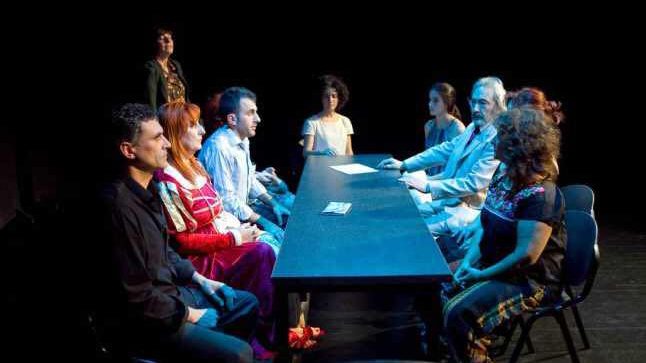
Mujer frente al espejo (December 2018), "Woman Standing in Front of the Mirror," is the first of seven performances conceived as the living pictures of a theatrical exhibition that exposes "our certain sense of reality." It was the second stage of UCSR research project. The piece is an interactive, one-hour performative conference on the subject of presence and identity of a particular woman today. It was produced by Vértico in collaboration with espacio exlímite, Madrid, on December 14, 2018. In 2019, we were invited to Fóra Do Mapa, IV Festival of Performing Arts in Ferrol, Spain.
Woman in Front of the Mirror explores the nature of human relationships and communication in a way that is both artistic and intimate. It interrogates our perception of truth and reality, not to determine what's more truthful or real, but what most characterizes our individuality. It focuses on the process of how we know, listen, see, and communicate such reality. Each scene works as a premise for investigation, an invitation to confront the dialogue between what we perceive and what we may create from that perception.
Woman in Front of the Mirror explores the nature of human relationships and communication in a way that is both artistic and intimate. It interrogates our perception of truth and reality, not to determine what's more truthful or real, but what most characterizes our individuality. It focuses on the process of how we know, listen, see, and communicate such reality. Each scene works as a premise for investigation, an invitation to confront the dialogue between what we perceive and what we may create from that perception.
Dossier for Mujer frente al espejo (PDF)
DossierThis short 1' 30" video by Guillermo Tejedor shows the exploration that Ada Fernandez (dancer/actor) and I did on a German poem, where we did not know the meaning of the words until much later in the process. We worked on the suggestions we received from listening to the sounds of the poem until Ada created her own language for the poem, which she improvised each time we performed the piece. Ada had been my student in RESAD and now is a colleague and close collaborator. This short video was the seed, which grew in the final performance and conference.
The one-hour performance of Mujer frente al espejo is always followed by an open discussion with the audience. We began to understand that this was a necessary Act 2 of the piece because it allowed to audience to respond to what they had perceived in the performance. During the period of COVID confinement we were invited to adapt a part of the piece for performance via Zoom in the Festival Mujeres Parlantes. Afterwards the open discussion turned into an insightful conversation with the audience about the subject of presence and identity for women today.
Video Mujer frente al espejo
Poema de sangre
Poema de sangre (November 2019) was a research laboratory on the knowing-how of an actor. 12 professional actors explored for 14 days David Zinder's surreal staging of Bodas de Sangre. It was developed by Vertico and Exlímite thanks and commissioned by the Año Lorca within the context of the Autum Festival of Madrid.
Festival de Otoño 2019 websiteTrailer Poema de sangre - produced by Antonio Morales
Since the beginning of my career, I had been trying to understand why and how certain practical understanding of psychophysical training enabled the actor to delve more freely into their imagination and aesthetic awareness. In this concrete project my objective was to observe and analyze how far this understanding could go in helping to promote a unique and compromised characterization in Lorca’s play within a given structure.
Poema de sangre - presentation of research
productions
My directing work at RESAD is fundamentally grounded in the work of the actor and the stage movement. It aims through its psychophysical approach to collaborate in the vindication of the power of the imaginary that inhabits each of the actors, of the power of their own creative tools not only to compose the scenes and resolve their interpretation of the written work, but also, and specifically in each case, to offer a unique and personal stage presence, physically powerful and flexible, that can transform and evolve throughout the work according to the directing approach and the actors' own aesthetic criteria.
selected productions
Psycosis 4.48, Sarah Kane. Performance at studio, January 2020
The Good Person of Szechwan, Bertolt Brecht. Adapted version to be presented at the studio, January 2018
Blood Wedding, García Lorca. Performance at the studio, November 2015
Gestures for Nothing. Devised theatre piece based on Individual Projects. June 2013
Now that we are left alone. Based on selected scenes for women from The Learned Ladies, Molière; Importance of Being Earnest, Oscar Wilde; The Government Inspector, Nikolai Gogol; Atra Bilis, Laila Ripoll Central; Park West, Woody Allen; No One Sees the Video, Martin Crimp. June 2014
The Good Person of Szechwan, Bertolt Brecht. Adapted version to be presented at the studio, January 2018
Blood Wedding, García Lorca. Performance at the studio, November 2015
Gestures for Nothing. Devised theatre piece based on Individual Projects. June 2013
Now that we are left alone. Based on selected scenes for women from The Learned Ladies, Molière; Importance of Being Earnest, Oscar Wilde; The Government Inspector, Nikolai Gogol; Atra Bilis, Laila Ripoll Central; Park West, Woody Allen; No One Sees the Video, Martin Crimp. June 2014
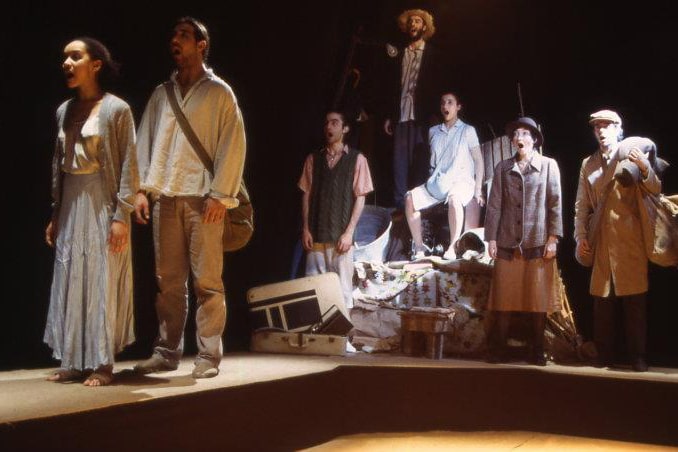
Seven Jewish Children, Caryl Churchill, also performed in El Círculo de Bellas Artes theatre venue in Madrid, July 2010
The Hour We Knew Nothing of Each Other, by Peter Handke, April 2010
L’Enfant et les Sortilèges, Maurice Ravel. Physical theatre piece based on the original opera, June 2007
The Lover, selected scenes from Harold Pinter’s play. A theatre-dance piece created in collaboration with the dance teacher, 2006
Asfixia, a devised theatre production for text based actor-students graduation, June 2005. Also perfomed in Sala Réplika, theatre venue in Madrid, March 10, 2006
The House of Bernarda Alba, based on selected scenes from García Lorca’s play. A theatre and dance performance project done in collaboration with Eva Lara, dance teacher at RESAD, June 2005
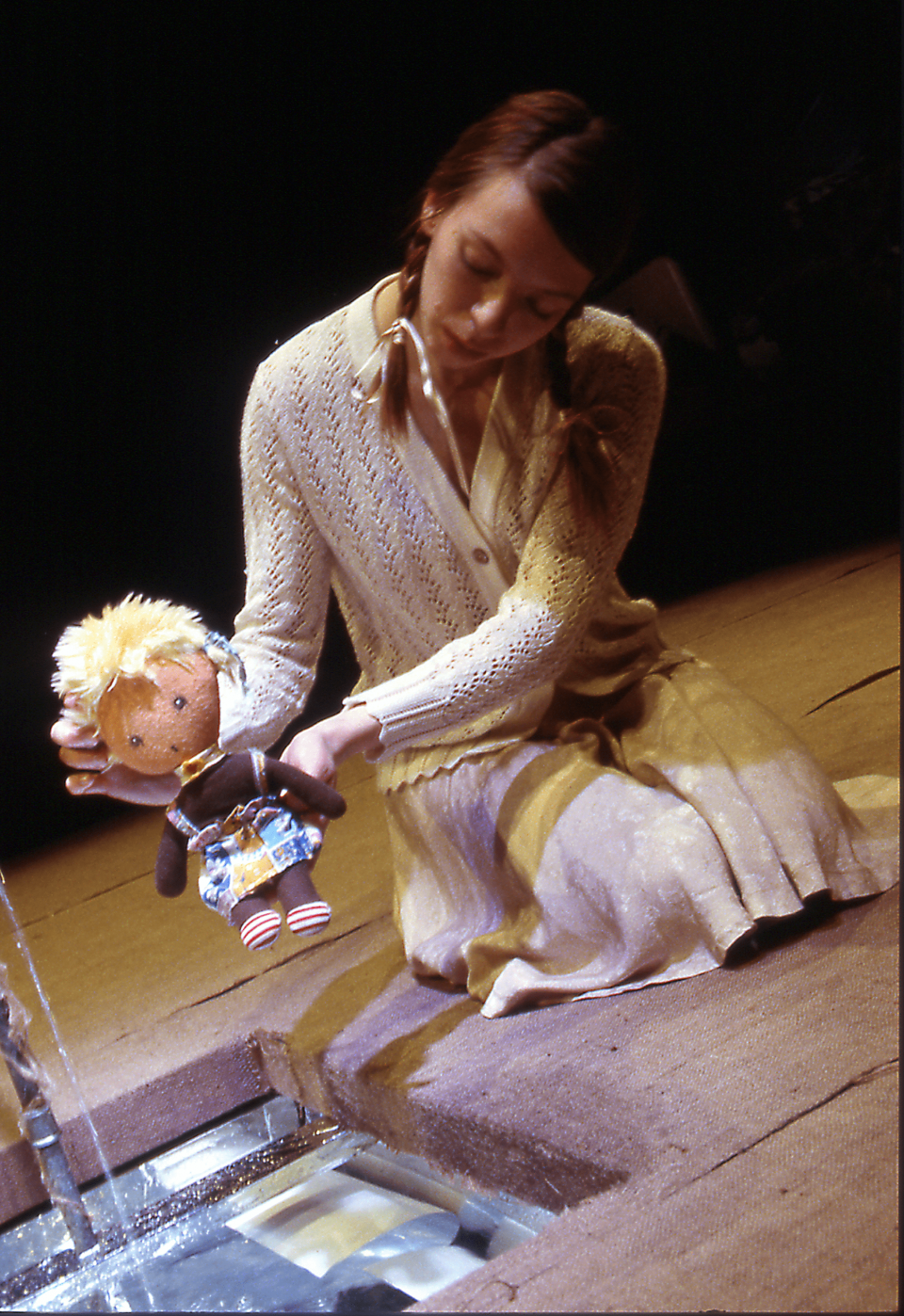
Water Station, by Ota Shogo. Awarded the special jury prize in the 2nd edition of the International Theatre Schools Festival in Warsaw, Poland, June 2003
The Horatian, performance piece based in the same poem by Heiner Müller, 2002
Jonathan Livingston Seagull, Movement piece based on the novel of Richard Bach, Palacio de Festivales de Cantabria, Santander, April 1988




testimonials
students
Mireia Torró Mollá
Reflections on her process (Individual Projects 2021)
Training is a process that I must fully thank since it has helped me to stop being that rational mind, that thinking head that goes through the corridors, to become a person who concentrates on the here and now no matter what is happening or has happened outside. It has been a wonderful process in which I have learned to be a totally sensory person, to be able to immerse myself in the different atmospheres that we were creating, to have a lot of breath control and a greater presence. In some way we could say that it has helped me in a certain part to break with myself to create a new way within myself to face anything.
María García
Reflections on her process (Individual Projects 2021)
Having faced an Individual Project in which practically everything had to start from me, I consider it a huge achievement. In addition, this memory has helped me to find my own way of analyzing learning, and it is something that I have changed compared to last year: what I have to learn is no longer established, but I have begun to navigate my own learning path.
Perla Cerezo Cendales
Reflections on her process (Individual Projects 2021)
Gratitude, empathy, compassion and humility, in addition to being reliable and sustained sources of happiness and joy, are values closely linked to interpersonal relationships as they give importance to the other; they are therefore values that fit with the enhancement of friendship, fraternity and community. It is thanks to self-awareness and a desire for collective change that appears as a light at the end of the tunnel, and I can verify, with these months of rehearsals, that precisely community work, the conjunction of ideas, the search for group work and the desire to carry out a common idea was what made this project something that leaves us a small mark, at least for me, to continue investigating bodily and scenic on these principles.
Jana Alvarez Pachecho
Playwright student at RESAD student, reflection on her practice collaborating in the Individual Projects, 2014
I have found it very interesting that the aesthetic current is raised in the pre-projects from the acting and not from the staging, as many directors usually work. I think it is very interesting that the actor, in addition to working with the technique, understands the aesthetic code that is being proposed. This is how aesthetics can permeate movement and actions and not to just adorn the scene.
former students
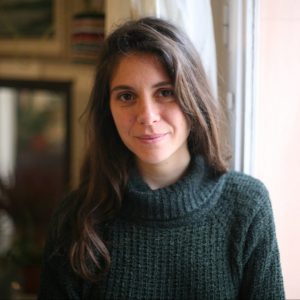
Sol is capable of transmitting a wide and deep knowledge of the processes of acting and scenic creation, which appeals to the subjective and critical understanding of the student, cultivating a courageous interaction between practice and theory. In fact, the training that Sol proposes has substantially improved the quality of my theoretical reflection.
The training with Sol has sustained my research in acting and writing, offering a physical base to my thoughts, so that they can adhere to the experiences and can describe, analize and guide them from a much greater proximity and honesty.
Writing becomes easier and more fluid, and has more original results if during the writing period I am training with her.
Her intellectual honesty, generous curiosity, inquisitive spirit, and artistic sensitivity make her a Master, an inspiration, and an example to me.
The training with Sol has sustained my research in acting and writing, offering a physical base to my thoughts, so that they can adhere to the experiences and can describe, analize and guide them from a much greater proximity and honesty.
Writing becomes easier and more fluid, and has more original results if during the writing period I am training with her.
Her intellectual honesty, generous curiosity, inquisitive spirit, and artistic sensitivity make her a Master, an inspiration, and an example to me.

I had Sol Garre as a teacher at the beginning of my studies. I was very young and lost. She knew how to accompany me to places that, 20 years later, continue to beat strongly in my artistic practice.
With her I experienced the depth of stage presence, the joy of keeping busy with the multiple folds that make up being in the present, orchestrating breath, time and distances.
With her I learned to make the most of the minimum, I experienced the difficulty and pleasure of persisting in the here and now, with what you have at each moment.
It was her who directed my sensitivity towards everything that is so difficult to name, towards energy, imagination, that what emanates, what exudes: towards everything invisible that one feels coming up from the body through the body, towards what our acts tell about the mystery of our human nature.
With her I experienced the depth of stage presence, the joy of keeping busy with the multiple folds that make up being in the present, orchestrating breath, time and distances.
With her I learned to make the most of the minimum, I experienced the difficulty and pleasure of persisting in the here and now, with what you have at each moment.
It was her who directed my sensitivity towards everything that is so difficult to name, towards energy, imagination, that what emanates, what exudes: towards everything invisible that one feels coming up from the body through the body, towards what our acts tell about the mystery of our human nature.
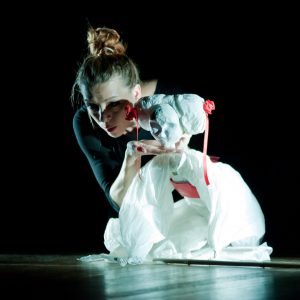
In my experience with Sol I learned to find that balance between “inside and outside”. Thanks to a training that connects the actor with all her inner potential and places her at the service of the other, the external: the partners on the stage, the public, the space.
She also greatly influenced my decision to be an actress and creator of my own projects and to shape my creative drive, showing me that this was possible. She was really a very important drive to carry out the idea of being a creative actress.
Sol gave me the tools as an actress to place the center in myself yet at the same time bring that concentration outside, and to make human aspects of the work grow thanks to the symbiosis between these two "forces", the external and the internal. Those tools were clear, concrete and precise and they have served me throughout my entire career. They have been a place to hold me when facing a new project, a new scenario and a new team, as wlel as they have also been fundamental to go beyond the superficial and get to the bottom of the work.
She taught me not to stay on the surface, to go deeper and thus find the truth of what has to be said, be shown... the truth of what is meant to be.
She also greatly influenced my decision to be an actress and creator of my own projects and to shape my creative drive, showing me that this was possible. She was really a very important drive to carry out the idea of being a creative actress.
Sol gave me the tools as an actress to place the center in myself yet at the same time bring that concentration outside, and to make human aspects of the work grow thanks to the symbiosis between these two "forces", the external and the internal. Those tools were clear, concrete and precise and they have served me throughout my entire career. They have been a place to hold me when facing a new project, a new scenario and a new team, as wlel as they have also been fundamental to go beyond the superficial and get to the bottom of the work.
She taught me not to stay on the surface, to go deeper and thus find the truth of what has to be said, be shown... the truth of what is meant to be.
colleagues
I have known Sol Garre for more than twenty years. It always caught my attention, how she concentrated on work, and the seriousness with which she assumed it ... like when children play.
Over time I have followed her trajectory and I find it admirable, the constancy, the tenacity with which she investigates, manages and educates new generations in the virtue of performing art.
Many people in this profession have grown up around Sol’s work and her team at Vértico, contributing with knowledge and rigor to our trade on a daily basis.
Personally, I am very pleased to have had her collaboration when I have needed it and I hope that we can continue to grow and develop our theater in depth.
Over time I have followed her trajectory and I find it admirable, the constancy, the tenacity with which she investigates, manages and educates new generations in the virtue of performing art.
Many people in this profession have grown up around Sol’s work and her team at Vértico, contributing with knowledge and rigor to our trade on a daily basis.
Personally, I am very pleased to have had her collaboration when I have needed it and I hope that we can continue to grow and develop our theater in depth.
In the encounter between scenic research and the humanization of the collaborative event, is where the scenic researcher Sol Garre is found, friend of the sciences and the humanities, creator of imagination and change, and above all, able to constantly re-create herself.
By having this ability to discover weaknesses and qualities, her way of standing and being in creative and human exploration allows her to break with traditional paradigms and shape her present in artistic research.
She is a collaborator in the group, with the group and its drifts. She listens and is being heard. She is daring with creation and with art as a form of research and generator of knowledge.
Sol delves into these processes of technical-practical knowledge of art and is constantly learning new scenic schemes that help her promote her personal feelings through the created object and reflection.
By having this ability to discover weaknesses and qualities, her way of standing and being in creative and human exploration allows her to break with traditional paradigms and shape her present in artistic research.
She is a collaborator in the group, with the group and its drifts. She listens and is being heard. She is daring with creation and with art as a form of research and generator of knowledge.
Sol delves into these processes of technical-practical knowledge of art and is constantly learning new scenic schemes that help her promote her personal feelings through the created object and reflection.
resources
Article: Presence, Significance and Radiation in Acting: Creating the Psychophysical Foundation for Working on Chekhov’s Atmospheres (Critical Stages Journal) Article: El Entrenamiento Michael Chéjov en Vértico (Asocación Vértico)Article: La Imaginación Creadora (Asociación Vértico)Podcast episode: Episode 1: On Love (Michael Chekhov Association)Personal Interviews (YouTube)